

Need debt collection payment processing solutions? Contact Bridge Capital Partners for specialized merchant account services.
Why Debt Collection Payment Processing Requires Specialized Solutions
Debt collection agencies operate in a heavily regulated, high-risk industry. Standard payment processors often decline applications outright. The solution: partner with a provider experienced in high-risk merchant account setup and management.
Debt collection businesses face unique challenges:
- Higher chargeback ratios than traditional merchants
- Strict compliance requirements under federal law
- Consumer disputes and payment reversals
- Regulatory scrutiny from multiple agencies
Without proper debt collection payment processing infrastructure, agencies struggle to collect payments efficiently while maintaining compliance.

Understanding the Compliance Landscape
Federal Regulations Governing Payment Collection
The Fair Debt Collection Practices Act (FDCPA) and Fair Credit Reporting Act (FCRA) dictate how collection agencies communicate with consumers and process payments.
Key compliance requirements include:
- Sending debt validation letters within five days of first contact
- Providing clear disclosure of debt amounts, including interest and fees
- Documenting all payment agreements in writing
- Maintaining accurate records of all transactions
- Avoiding prohibited collection practices
Violations result in fines, lawsuits, and potential loss of merchant processing capabilities.
Payment Processing Compliance
Beyond federal debt collection laws, payment processors impose additional requirements:
| Requirement | Purpose |
|---|---|
| PCI DSS Compliance | Protects cardholder data |
| Authorization Documentation | Verifies consumer consent |
| Chargeback Monitoring | Maintains acceptable dispute ratios |
| Transaction Records | Supports audit trails |
Agencies must maintain chargeback ratios below processor thresholds: typically under 1%. Exceeding this limit triggers account reviews or termination.
Payment Methods for Debt Collection
ACH Payment Processing
ACH payment processing remains the preferred method for debt collection agencies. Benefits include:
- Lower transaction fees compared to credit cards
- Reduced chargeback risk
- Automated recurring payment capabilities
- Direct bank-to-bank transfers
ACH transactions process through the Automated Clearing House network, typically settling within 1-3 business days. For debt collection, this creates predictable cash flow with lower processing costs.
Learn more about ACH vs. real-time payments for your business operations.
Credit and Debit Card Processing
Card payments offer convenience for consumers but carry higher risk for collection agencies:
- Higher processing fees: Typically 2.5-4% per transaction
- Chargeback exposure: Consumers can dispute charges
- Authorization requirements: Must document consumer consent
Despite these challenges, offering card payments increases collection rates. Many consumers prefer cards for convenience or reward points.

Payment Plan Management
Most debt settlements involve structured payment plans. Your processing system must handle:
- Recurring billing schedules
- Variable payment amounts
- Payment modification requests
- Failed payment retry logic
- Plan completion tracking
Automated payment plan management reduces administrative burden and improves collection rates.
Cash Flow Optimization Strategies
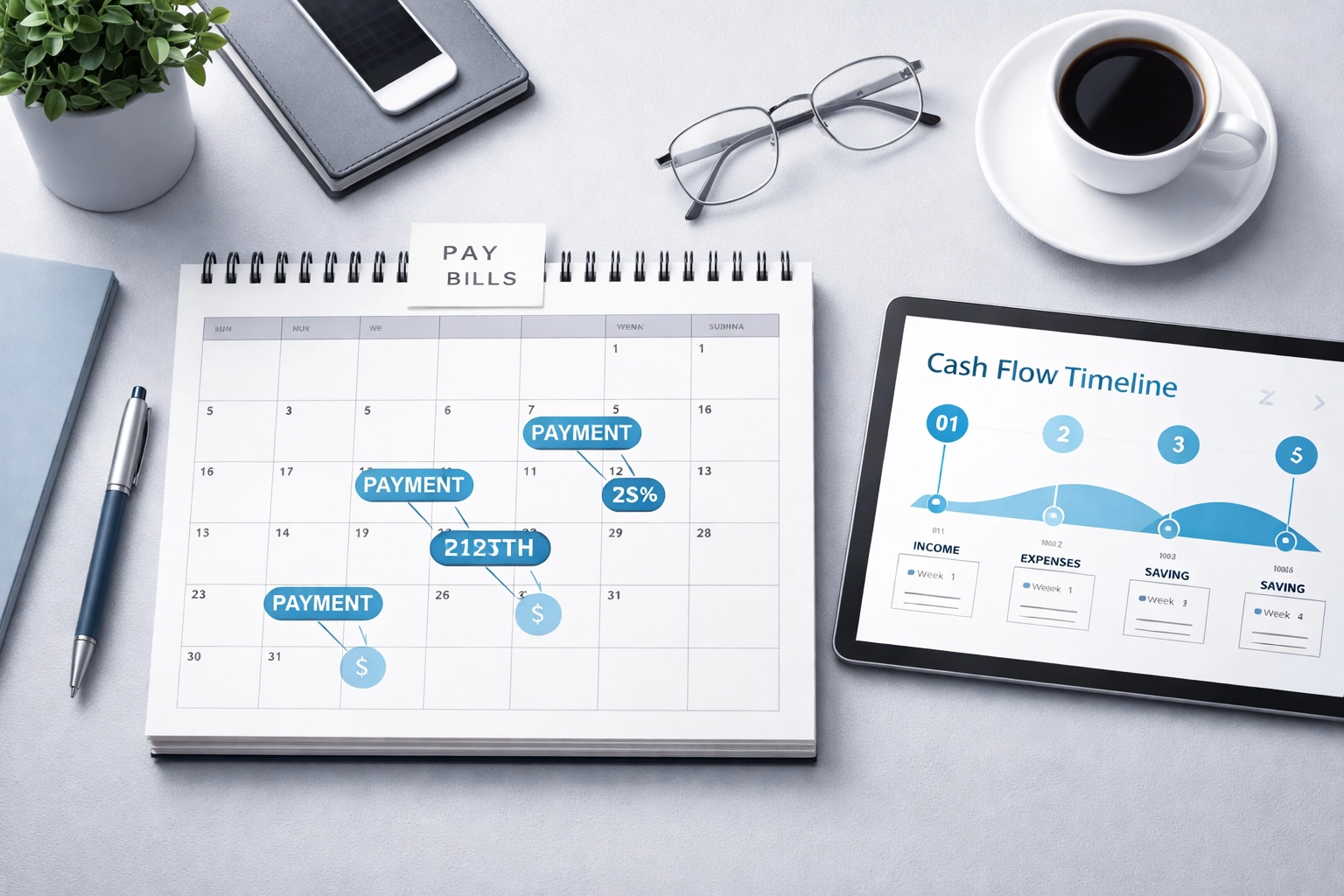
Understanding the Collection Timeline
Debt collection follows a predictable progression:
Early Stage (0-30 days past due):
- Soft collection methods
- Automated reminders via SMS, email, phone
- Focus on payment arrangement setup
Mid Stage (30-180 days):
- Account classified as delinquent
- Increased outreach intensity
- Payment plan negotiations
Late Stage (180+ days):
- Charge-off classification
- Legal collection consideration
- Settlement negotiations
Each stage requires different payment processing approaches to maximize recovery rates.
Reducing Days Sales Outstanding
Faster payment processing directly impacts cash flow. Strategies include:
- Offer multiple payment channels : Online portals, phone payments, mail-in options
- Enable same-day ACH : Accelerates settlement times
- Automate payment reminders : Reduces missed payments
- Implement real-time payment posting : Improves account accuracy
Agencies processing payments faster maintain healthier cash positions and reduce operational costs.
Settlement Negotiations and Processing
Since collection agencies often purchase debt at significant discounts, settlement negotiations play a key role in recovery. Your payment processing must support:
- One-time settlement payments
- Partial payment acceptance
- Payment-in-full documentation
- Settlement letter generation
Document all settlement agreements before processing payments. Written confirmation protects both parties and supports compliance requirements.
Choosing the Right Payment Processor
Why Standard Processors Decline Debt Collection Accounts
Traditional payment processors categorize debt collection as high-risk due to:
- Industry chargeback history
- Regulatory complexity
- Consumer complaint potential
- Reputational concerns
This classification limits options. Agencies need processors specializing in high-risk merchant account services.
What to Look for in a Processor
Essential features:
- Experience with debt collection merchants
- Multi-payment method support (ACH, cards, checks)
- Compliance monitoring tools
- Chargeback management systems
- Transparent pricing with no hidden fees
Red flags to avoid:
- Unclear fee structures
- Long-term contracts with penalties
- No chargeback prevention support
- Limited payment method options
- Poor customer service reputation
Review transparent pricing models before signing any processing agreement.
Integration Requirements
Your payment processor must integrate with existing systems:
- Collection management software
- Customer relationship management (CRM) platforms
- Accounting systems
- Compliance documentation tools
- Reporting dashboards
Seamless integration reduces manual data entry errors and improves operational efficiency.
Best Practices for Payment Processing Operations
Authorization and Documentation
Every payment requires proper authorization. Maintain records of:
- Consumer consent (verbal or written)
- Payment amount and date
- Account information verified
- Agent processing the transaction
- Call recordings (where legally permitted)
This documentation defends against chargebacks and regulatory inquiries.
Chargeback Prevention
Proactive chargeback management protects your merchant account:
- Clear transaction descriptors : Consumers recognize charges
- Confirmation communications : Email/SMS receipts
- Accessible customer service : Resolve disputes before chargebacks
- Accurate billing : Match charges to agreements
- Cancellation processing : Honor stop-payment requests promptly
Maintaining low chargeback ratios keeps processing accounts in good standing.
Avoid common high-risk merchant account mistakes that lead to account termination.
Security Measures
Protect consumer payment data through:
- PCI DSS compliant systems
- Encrypted data transmission
- Tokenization for stored payment methods
- Access controls and audit logs
- Regular security assessments
Data breaches devastate collection agencies. Invest in security infrastructure.

Getting Started with Debt Collection Payment Processing
Application Requirements
Prepare the following for merchant account applications:
- Business registration documents
- Processing history (if available)
- Bank statements (3-6 months)
- Collection license documentation
- Compliance policies and procedures
- Chargeback management protocols
Complete documentation accelerates approval timelines.
Implementation Timeline
Expect the following timeline for new accounts:
| Phase | Duration |
|---|---|
| Application Review | 3-7 business days |
| Underwriting | 5-14 business days |
| Account Setup | 2-5 business days |
| Integration Testing | 3-7 business days |
| Go-Live | 1-2 business days |
Total implementation typically takes 2-5 weeks depending on complexity.
Partner with Specialists
Debt collection payment processing demands expertise in compliance, risk management, and specialized merchant services. Generic processors lack the infrastructure and experience to serve this industry effectively.
Bridge Capital Partners specializes in high-risk merchant account solutions for debt collection agencies. Services include ACH payment processing, credit card acceptance, chargeback management, and transparent pricing structures.
View debt collection processing rates or contact our team to discuss your requirements.





Leave A Comment